



Poor healthcare is a significant issue in many parts of Africa, and it affects millions of people across the continent. There are a number of challenges that contribute to poor healthcare in Africa, and addressing them will require a comprehensive and coordinated effort from governments, organizations, and individuals. We have covered the most pressing of these challenges that need to be addressed in order to improve healthcare access and outcomes in
Africa.
One of the most pressing issues is the high rate of infectious diseases in Africa. The continent has some of the highest rates of malaria, HIV/AIDS, and tuberculosis in the world. These diseases not only cause significant suffering and death, but they also have a major economic impact on the continent.
Malaria alone causes hundreds and thousands of deaths annually, mostly among children under five years old. HIV/AIDS is also a major public health issue, with millions of people affected and thousands more
becoming infected every day.
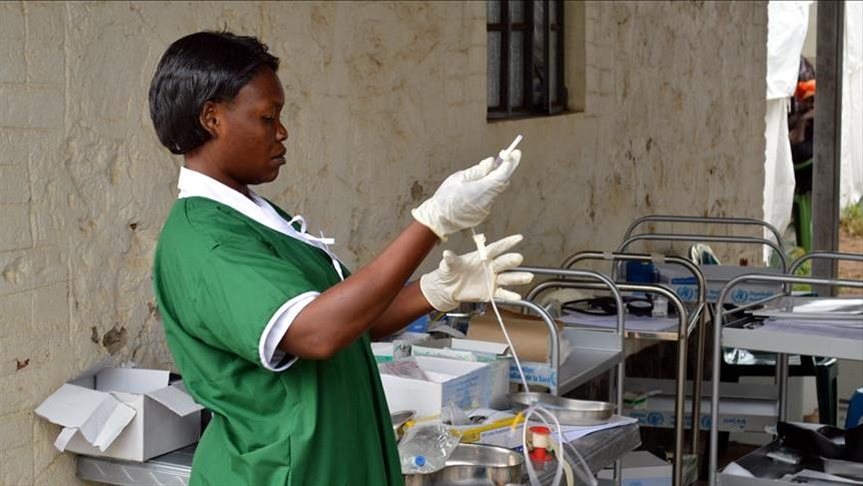
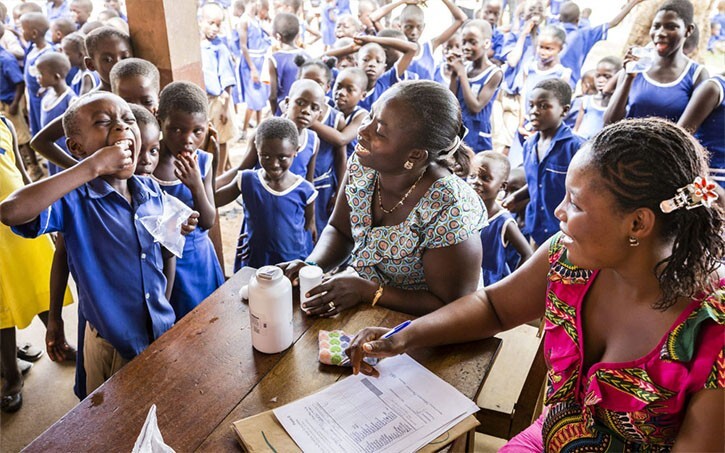
Another major challenge is limited access to healthcare. Many people in Africa do not have access to basic healthcare services, such as medicine, Doctors, Health Professionals, maternal and child health services.
This can lead to a lack of preventative care, which in turn can lead to more severe health problems later on. The lack of access to healthcare is particularly prevalent in rural areas, where healthcare infrastructure is often lacking
The shortage of healthcare workers is another major issue in Africa. There is a significant shortage of healthcare workers in many parts of Africa, which can make it difficult for people to access the care they need.
This is particularly true in rural areas, where healthcare infrastructure is often lacking and healthcare workers are scarce. This shortage of healthcare workers is also a huge barrier to providing healthcare services and making sure that people have access to the care they need.
Africa also faces an increasing burden of chronic diseases, such as diabetes and heart disease. These diseases are often linked to unhealthy lifestyles and are becoming more prevalent as the continent urbanizes and people adopt more Westernized diets and lifestyles.
The rise in chronic diseases is also a result of people living longer, thanks to improvements in healthcare and living conditions. However, these chronic diseases often require long-term care and management, which can be challenging in a healthcare system that is not well equipped to deal with them.
Another major challenge Africans face is inadequate infrastructure. In many countries, the healthcare infrastructure is insufficient to meet the needs of the growing African population. This includes a lack of basic facilities like hospitals, clinics, and health centers, as well as a lack of equipment and supplies.
This inadequate infrastructure makes it difficult for people to access the care they need, and it also makes it difficult for healthcare workers to provide care as they do not have access to the resources or equipment required
The lack of funding is one of the primary reasons for poor healthcare in Africa. The governments of many African countries do not have the financial resources to provide adequate healthcare to their population.
As a result, many healthcare facilities are underfunded and lack the resources to provide quality care, leading to a higher rate of mortality and morbidity in the region. This lack of funding also makes it difficult for organizations such as Health Aid Africa to provide the necessary support.